Curated Collection of Diverse Products
Blog Posts Links
Growing Cacti In Clay Pebbles
Cacti, with their striking forms and resilience, have become a favorite among plant lovers. But even these desert dwellers need the right environment to flourish. While traditional soil mixes can work, many growers are turning to an innovative alternative: clay pebbles, also known as LECA (Lightweight Expanded Clay Aggregate). In this blog post, we'll explore the numerous benefits of growing cacti in clay pebbles, from improved drainage to reduced risk of root rot.
Parodia Horstii Cautus Care and Growing Tips
The Parodia horstii is a relatively low-maintenance cactus, making it a great addition to any indoor garden. However, like all plants, it has specific needs that must be met to thrive. Let's explore the essential aspects of its care.
CACTUS CARE AND GROWING TIPS FOR A SELECT GROUPING
Welcome, fellow plant lovers! Today, we're diving into the fascinating world of cacti, spotlighting three captivating species: Notocactus hasselbergii (Scarlet Ball Cactus), Polaskia chichipe, and Notocactus leninghausii (Golden Ball Cactus). Whether you're a seasoned succulent enthusiast or just starting your green journey, this guide will provide you with the essential knowledge to help these unique cacti thrive.
Mammillaria Gracilis Fragilis: Care and Growth
Welcome to the delightful world of the Mammillaria gracilis fragilis, commonly known as the Thimble Cactus! This adorable little cactus is native to Mexico and is a favorite among plant enthusiasts due to its small size, ease of care, and charming appearance.
OPUNTIA SUBULATA: EVE'S NEEDLE CACTUS CARE
The Eve's Needle Cactus (Opuntia subulata), also known as the Austrocylindropuntia subulata, is a unique and eye-catching succulent native to the high-altitude regions of the Andes in South America. This cactus stands out for its long, cylindrical stems, covered in small, deciduous leaves and tiny spines. Its distinctive appearance makes it a popular choice for both indoor and outdoor gardens, adding a touch of desert charm wherever it grows.
Cereus Peruvianus Monstrose: A Comprehensive Guide
The Cereus peruvianus monstrose, also known as the Ming Thing cactus or Monstrose Apple Cactus, is a captivating cultivar of the Peruvian Apple Cactus. Its irregular, sculptural form makes it a striking addition to any plant collection. Unlike its columnar parent, the monstrose variety exhibits unpredictable growth patterns, resulting in a unique and fascinating appearance for each plant.
5 Cacti Plants Novice Growers Should Have In Their Collection
So, you're ready to dive into the fascinating world of cacti? Great choice! Cacti are incredibly rewarding plants to grow, offering unique beauty and relatively low maintenance. As a novice, starting with the right varieties is key to a successful and enjoyable experience. Here are five cacti that are perfect for beginners.
CACTUS CARE AND GROWING TIPS For A SELECT GROUPING
Welcome, fellow plant lovers! Today, we're diving into the fascinating world of cacti, spotlighting three captivating species: Notocactus hasselbergii (Scarlet Ball Cactus), Polaskia chichipe, and Notocactus leninghausii (Golden Ball Cactus). Whether you're a seasoned succulent enthusiast or just starting your green journey, this guide will provide you with the essential knowledge to help these unique cacti thrive.
Mammillaria Gracilis Fragilis: Care and Growth
Welcome to the delightful world of the Mammillaria gracilis fragilis, commonly known as the Thimble Cactus! This adorable little cactus is native to Mexico and is a favorite among plant enthusiasts due to its small size, ease of care, and charming appearance.
What is the Expected Lifespan of Your Cacti
Cacti, with their unique shapes and resilience, are fascinating plants that can bring a touch of the desert to any home or garden. But how long do these spiky wonders actually live? The lifespan of cacti varies widely depending on species, environmental conditions, and care practices.
NOTOCACTUS MAGNIFICUS: GROWING AND CARE
The Notocactus magnificus, now known as Parodia magnifica, is a captivating cactus species admired for its striking spherical shape and vibrant golden spines.
Cacti and Succulents: The Perfect Office or Houseplants
Are you looking to add some greenery to your office or home but worry about the time and effort required to keep plants alive? Look no further than cacti and succulents! These resilient plants are the perfect choice for beginners, experienced plant owners, and those with limited time. Let's explore why cacti and succulents are the ideal low-maintenance companions for any indoor space.
Cacti vs. Succulents: Understanding the Key Differences
Are you fascinated by plants that thrive in arid environments? You've probably heard of both cacti and succulents, and might even use the terms interchangeably. However, while all cacti are succulents, not all succulents are cacti. Let's dive into the key differences between these fascinating plant groups.
NOTOCACTUS HASELBERGII CARE GUIDE
The Notocactus haselbergii, also known as the Scarlet Ball Cactus or Orange Ball Cactus, is a delightful and relatively easy-to-care-for cactus that can bring a vibrant touch to any plant collection. Native to southern Brazil, this cactus is admired for its spherical shape, dense covering of soft spines, and stunning display of scarlet or orange flowers.
Grafting Moon Cactus: A Beginner's Guide
Due to their inability to photosynthesize effectively, Moon Cacti cannot survive on their own roots. Grafting onto a compatible host like Hylocereus provides the necessary means for survival and growth. The green Hylocereus acts as a robust rootstock, supplying the Moon Cactus with essential nutrients and water, enabling it to flourish and display its dazzling colors. Grafting not only ensures survival but also allows enthusiasts to enjoy these colorful cacti in their collections.
Gymnocalycium Mihanovichii Friedrichii (Moon Cactus) grafted to (dragonfruit) Hylocereus
The Gymnocalycium mihanovichii friedrichii, commonly known as the Moon Cactus, is a striking succulent celebrated for its vibrant colors. Typically, these cacti lack chlorophyll, rendering them incapable of photosynthesis and thus unable to sustain themselves. This deficiency is why they're commonly seen as colorful tops grafted onto a green cactus base. The most popular base is Hylocereus, also known as the dragonfruit cactus, which is often used as its rootstock. This symbiotic pairing allows the Moon Cactus to thrive, drawing nutrients and support from its host. Let's dive into the grafting process and long-term care!
Benefits of Joining a Cacti and Succulent Society
One of the most significant advantages of joining a society is the immediate access to a supportive community. Imagine being surrounded by fellow enthusiasts who share your love for these fascinating plants. You can connect with people who understand the challenges and celebrate the triumphs of succulent cultivation. This sense of camaraderie can be incredibly motivating and uplifting, especially when facing difficulties like identifying a pest or diagnosing a plant disease.
Edible Fruit of the Opuntia Prickly Pear Cactus
The Opuntia, commonly known as Prickly Pear, is a fascinating and resilient genus of cacti. These cacti are easily recognizable by their flat, pad-like stems covered in spines and glochids (small, barbed bristles).
Understanding the Growth Rate of the Monkey Tail Cactus
The Monkey Tail Cactus, scientifically known as Cleistocactus strausii, is a striking plant native to South America, particularly in Bolivia and Argentina. This cactus is well-known for its unique, hairy appearance resembling monkey tails, which serve as a natural defense against herbivores, as well as to provide moisture retention. As a valued addition to many homes and gardens, understanding its growth rate is essential for both enthusiastic gardeners and horticultural scientists.
The Aesthetic Marvels of Cactus Combinations in Planters
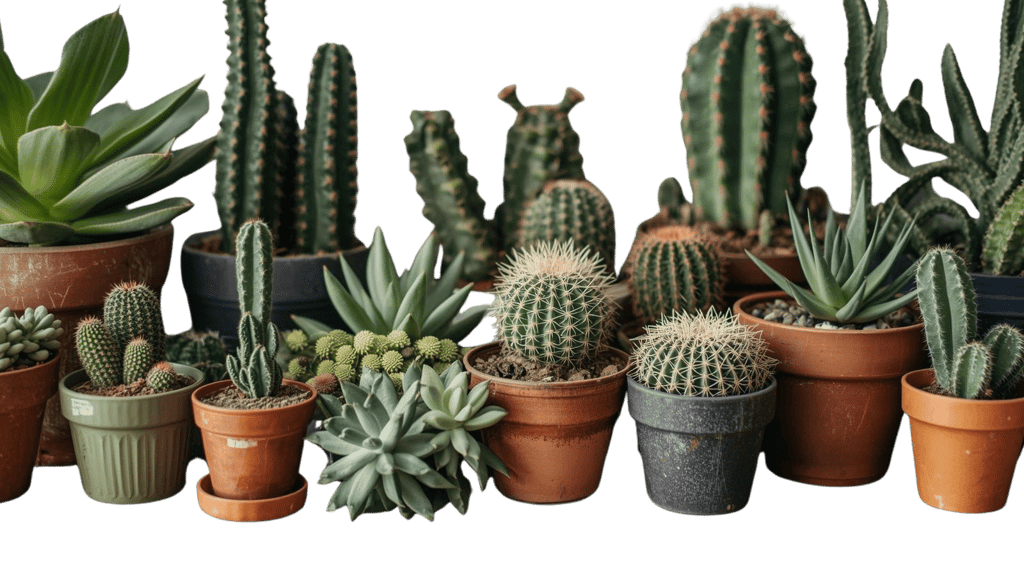
Cacti, known for their resilience and unique shapes, have emerged as a favored choice among plant enthusiasts. Combining various cacti plants in a single planter not only enhances the aesthetic appeal but also offers a host of benefits. In this blog post, we will explore the visual effects created by such combinations, the harmony they bring, and practical considerations for creating a thriving mixed cactus garden.
Cacti & Succulents: Growing and Care


Jewelry of Distinction
I'd Love to Hear From You!
Email: arthur@alcjr.com
© 2026. All rights reserved.


ALCJR Enterprises
Affiliate Marketing Disclosure Statement
At ALCJR Enterprises, transparency and trust with my audience are paramount. By the Federal Trade Commission's guidelines, I want to ensure that you, my valued visitors, fully understand my relationship with the products and services I feature.
My Affiliate Relationships with Etsy, Amazon, Vevor, and Others
Some of the links on my website are affiliate links, which means that if you click on the link and make a purchase, I may receive a commission at no additional cost to you. These commissions allow me to continue providing valuable content. Please note that my opinions are my own, and I only recommend products or services that I truly believe will add value for my audience.
Why I Use Affiliate Links
Support My Work: The commissions earned through affiliate links help me maintain the quality and integrity of my content.
No Additional Cost: The price you pay as a customer is not affected by my affiliate partnerships.
Commitment to Quality: I am committed to recommending products that I have either used myself or thoroughly researched.
My Promise to You
I am dedicated to maintaining the trust of my audience. That's why:
I will always disclose my affiliate relationships clearly and openly.
I will provide honest reviews and insights, regardless of any affiliate partnerships.
I will prioritize your interests and ensure that my content remains unbiased and reliable.
Thank you for supporting ALCJR Enterprises. Your trust means everything to me. If you have any questions about my affiliate relationships, please feel free to contact me at alcjr@verizon.net.